

Wisdom Tooth Extraction Williamsville
Smile-Saving Treatment When Necessary
Wisdom teeth that are healthy and properly positioned can be a valuable asset to the mouth. Unfortunately, this is often not the case, and problems develop that require their removal. For example, when the jaw is not large enough to accommodate these teeth, they can become impacted—unable to come in or move into their proper position. They may grow sideways, emerge only part way from the gums, or remain trapped beneath gum and bone.
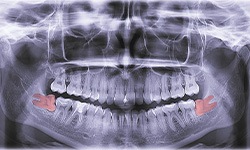
Impaction occurs most often in the third molars of the lower jaw, or mandible. After examining your mouth and taking radiographs, we will discuss whether or not you need a wisdom tooth extraction in Williamsville, NY.
Why Choose Amherst Dental Group for Wisdom Tooth Extraction?
- Advanced Diagnostic Technology
- Conservative, Gentle Care
- Multiple Sedation Options Offered
What are Wisdom Teeth?
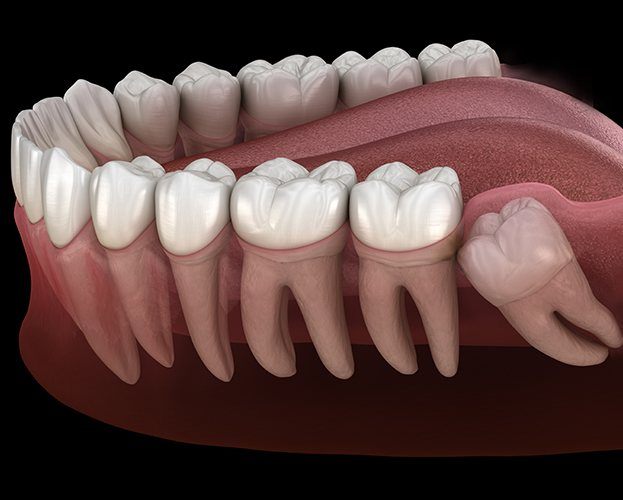
In the past, before oral hygiene became important, humans would sometimes lose teeth to decay or injury. In fact, by the time a person became a young adult, it was common to have lost a tooth or two, but around this timeframe wisdom teeth or the third set of molars would emerge, replacing missing dentition.
As humans have evolved, our jawbones have shortened significantly, but the third molars still develop in our mouths.
Why Do Wisdom Teeth Need to Be Removed?
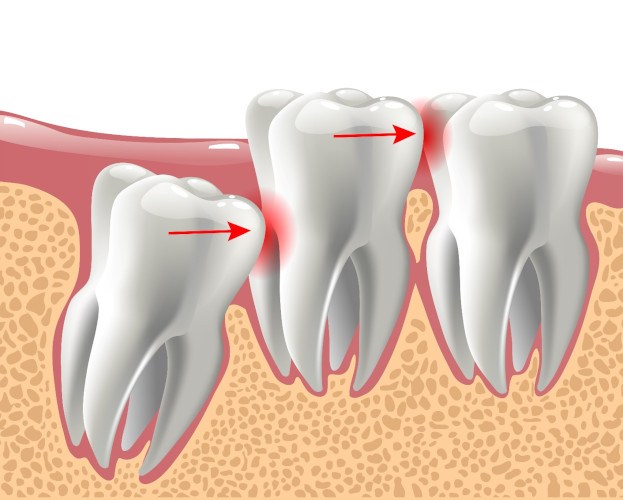
Extraction of third molars can protect the overall health of the mouth. It is generally recommended when the following conditions occur:
- Wisdom teeth only partially erupt. This leaves an opening for bacteria to enter around the tooth and cause an infection. Pain, swelling, fever, jaw stiffness and general illness can result.
- Impacted wisdom teeth may continue growing without enough room, damaging adjacent teeth. This continued pressure can eventually destroy the healthy second molar.
- A fluid-filled sac (cyst) or benign tumor forms, destroying surrounding structures such as bone or roots of adjacent teeth.
What to Expect from the Wisdom Teeth Procedure

Please be aware that we at Amherst Dental Group are quite conservative about recommending the removal of wisdom teeth. In many cases, we will monitor them before recommending removal. However, if they do need to be removed, Doctor Tykta has hospital training in the removal of third molars.
We do understand that you may have questions and anxieties about the procedure. Our professionally trained staff is here to put your worries at ease. We will fully prepare you for your wisdom tooth extraction and explain each step of the process. We will answer your questions and address your concerns while helping to promote a quick recovery process.
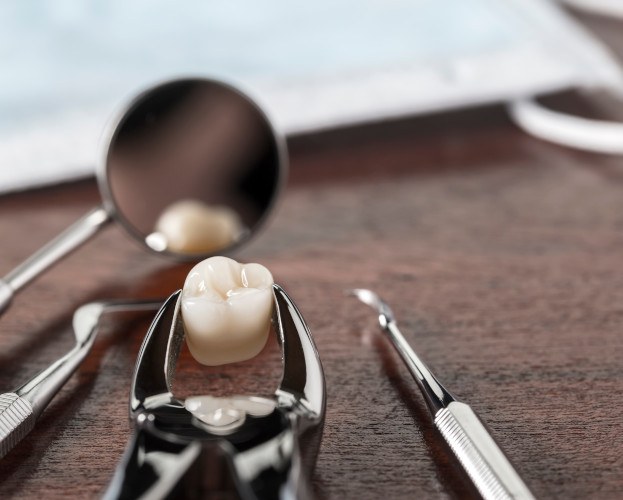
First, we will numb the area with a local anesthetic. If you desire it, you may also receive a sedative for added comfort and peace of mind. Then, for wisdom teeth that have erupted, we will use dental pliers to gently rock the tooth back and forth until it loosens and comes out. For teeth that are still submerged, we will create a small opening in the gums, divide the tooth into multiple pieces, and take them out before closing the gum tissue up.
In some instances, there may be a special situation with the removal of these teeth, and we will refer you to one of the fine oral surgery offices in Williamsville. Even under these circumstances, we will communicate with the other dental office and monitor your status prior to and after the removal of the teeth.
Recovering from Wisdom Teeth Extraction
After the procedure, you’ll need to get plenty of rest to allow your mouth to heal. This means taking at least a couple of days off work or school, especially from strenuous activities. A blood clot needs to form over the site—otherwise, you could experience an infection or complication called dry socket.
Keep your head elevated and take over-the-counter pain reliever as needed to control discomfort. A cold compress on your face also helps. Note that you must continue brushing and flossing your teeth in days following the extraction, but be careful not to disturb the clot. For at least 48 hours, have only fluids or soft foods when you eat, but do not use a straw. After a few days, you may start to resume a more normal diet, but avoid contact with the extraction site as you eat.
Please remember that we provide 24/7 emergency coverage for all our patients. If a problem arises, please tell the answering service (no recording, but a live person) that you need to speak to the doctor on call.
Understanding the Cost of Wisdom Tooth Extractions
Before starting any procedure, we will discuss any financial concerns you may have. When it comes to wisdom tooth removal, we are unable to provide a universal estimate, especially if yours are impacted and require an oral surgeon. The best way to find out how much wisdom tooth extraction will cost is to have an in-person consultation with us. We will assess your situation, look closely at your dental insurance policy, and let you know what you can expect to pay to resolve the issue or refer you to the oral surgeon’s support team.
Factors That Can Impact the Cost of Wisdom Tooth Extractions
To the untrained eye, wisdom tooth extractions may seem similar or even identical, and the procedure should cost the same amount for everyone. However, each patient’s situation is unique and requires an individualized approach. For instance, someone who needs just one or two wisdom teeth removed will pay less than a patient with four problematic wisdom teeth. In some cases, the third molar has partially erupted, which means extraction may be more straightforward, quicker, and less expensive. If the wisdom tooth is still submerged in the gum tissue, minor surgery may become necessary to access it, costing you a little more.

Does Dental Insurance Cover Wisdom Tooth Extractions?
Dental insurance companies can provide various coverage amounts for wisdom tooth extractions, but in general, most plans do include benefits for this procedure. Typically, the amount your plan will contribute is somewhere around 50 percent, leaving you to pay the remaining half out-of-pocket. When we determine that wisdom tooth extraction is needed, we’ll look into your plan for any available assistance and help you take advantage of the benefits you’re entitled to.

How to Make Wisdom Tooth Extractions Affordable
At Amherst Dental Group, we try to be flexible for our patients. If you find that paying the amount you due upfront is overwhelming your budget or putting a strain on your finances, rest assured that there is a more comfortable alternative. You can apply for financing with CareCredit, a nationally trusted company that allows you to pay for dental and medical treatment over time. Dividing the cost into smaller monthly payments can ease the burden of paying for wisdom tooth extraction.
Wisdom Tooth Extraction FAQs
At What Age Do Wisdom Teeth Usually Come In?
Typically, wisdom teeth start developing as a person enters their teenage years. For some, their third molars must be taken out by the time they reach age 17; for others, extraction can be put off until their early 20s. As a result, close monitoring of your oral health is essential during this period. Instead of having to experience unnecessary pain, infections, and shifting in your teeth, we can detect potential issues with your wisdom teeth and extract them before they present a problem for your smile.
Do Wisdom Teeth Need to Be Removed Even If They Don’t Hurt?
Even if you don’t experience discomfort as a result of your wisdom teeth, they may still need to be extracted. If the patient’s mouth has enough space, extraction may not be necessary. The best way to tell if you’ll need this procedure is to come to our office for an examination regularly, especially during teenage and young adult years.
What Soft Foods Can I Have Following Wisdom Tooth Extraction?
Soft foods allow the tender tissue to heal, which is why you need to avoid hard, crunchy foods like chips and nuts. Some examples of appropriate foods to have as you recover include:
- Yogurt
- Eggs
- Mashed potatoes
- Cottage cheese
- Oatmeal
- Canned (i.e., softened) vegetables
- Smoothies
- Applesauce
- Veggie, chicken, or beef broth
- Non-chunky soups
When Should I Contact My Dentist After Wisdom Tooth Extraction?
If you follow our instructions, the chances of experiencing complications are low. However, you need to know what to look for, just in case something abnormal happens. For instance, if bleeding doesn’t stop within a couple of hours, you may need to go to the emergency room for further evaluation. In addition, if your discomfort doesn’t improve over a day or two or if it gets worse, you need to let us know immediately. You should also reach out to us if you get a fever as you recover. These could be signs of infection or another issue that needs to be addressed as soon as possible.
How Long Does Wisdom Tooth Extraction Take?
The extraction procedure can vary in length from patient to patient because several factors come into play. For instance, the number of teeth being extracted, whether they have erupted or are still under the gums, and the extraction method will all influence how long your treatment will take. During your consultation, we can give you a better estimate of your wisdom tooth extraction in Williamsville, giving you plenty of time to make schedule and ride arrangements.
Am I Too Old to Have My Wisdom Teeth Removed?
Most of the time, patients have the best outcomes when wisdom teeth are extracted earlier in life rather than later. Often, those who address wisdom teeth in young adulthood or late teen years can avoid discomfort and any orthodontic regress. However, there isn’t an age limit on having this third set of molars removed. Perhaps they haven’t presented a problem before now, but you’re experiencing pressure or pain near these teeth. It could mean having your wisdom teeth removed at an older age.
How Can I Make Wisdom Tooth Pain Go Away?
Unfortunately, pain in this situation will only go away once these molars have shifted your teeth into a position that is more comfortable for them or you have a wisdom tooth extraction in Williamsville. To avoid this pain, allow us to monitor your situation and keep a close eye on your teeth alignment as well as the development of your wisdom teeth.
If you have your extraction scheduled, but you feel discomfort in the meantime, you can do some things at home to ease pain. When you sleep, make sure your head is elevated above your heart. This position will make sure blood doesn’t gather and remain in your brain or near your oral cavity. Take over-the-counter pain medication as directed to help you get through until the procedure. A cold compress on the outside of your face for 20 minutes at a time can also reduce swelling or discomfort.
If necessary, you can try to schedule an emergency extraction sooner than waiting for something negative to happen.
Why Might I Need to Have My Wisdom Teeth Extracted Even If I Don’t Feel Pain?
While some patients may feel acute or dull pain in their mouths from wisdom teeth pressing on other teeth, not everyone has to go through this ordeal. We watch our young patients, looking for tooth development when we see their X-rays. If we suspect they could run out of room in their arch, we will recommend extraction. Doing it sooner can lessen pain and preserve current tooth alignment.
Should My Child Have Their Wisdom Teeth Removed Before Braces?
In the past, young teens typically wore braces to correct misaligned bites and individual teeth, but nowadays, kids can start orthodontic treatment as young as seven! As a result, your child may have already begun orthodontic treatment with Phase 1, but they may have another round ahead of them. The timing does matter because pressure from multiple sides can slow down your treatment, cause you even more pain, and even lead to lost teeth. Again, that’s why we, as your trusted dentist in Williamsville, so strongly urge you to bring your child in regularly. With such close monitoring, you can be sure we’ll have a clear recommendation for when the time is right to take them out.